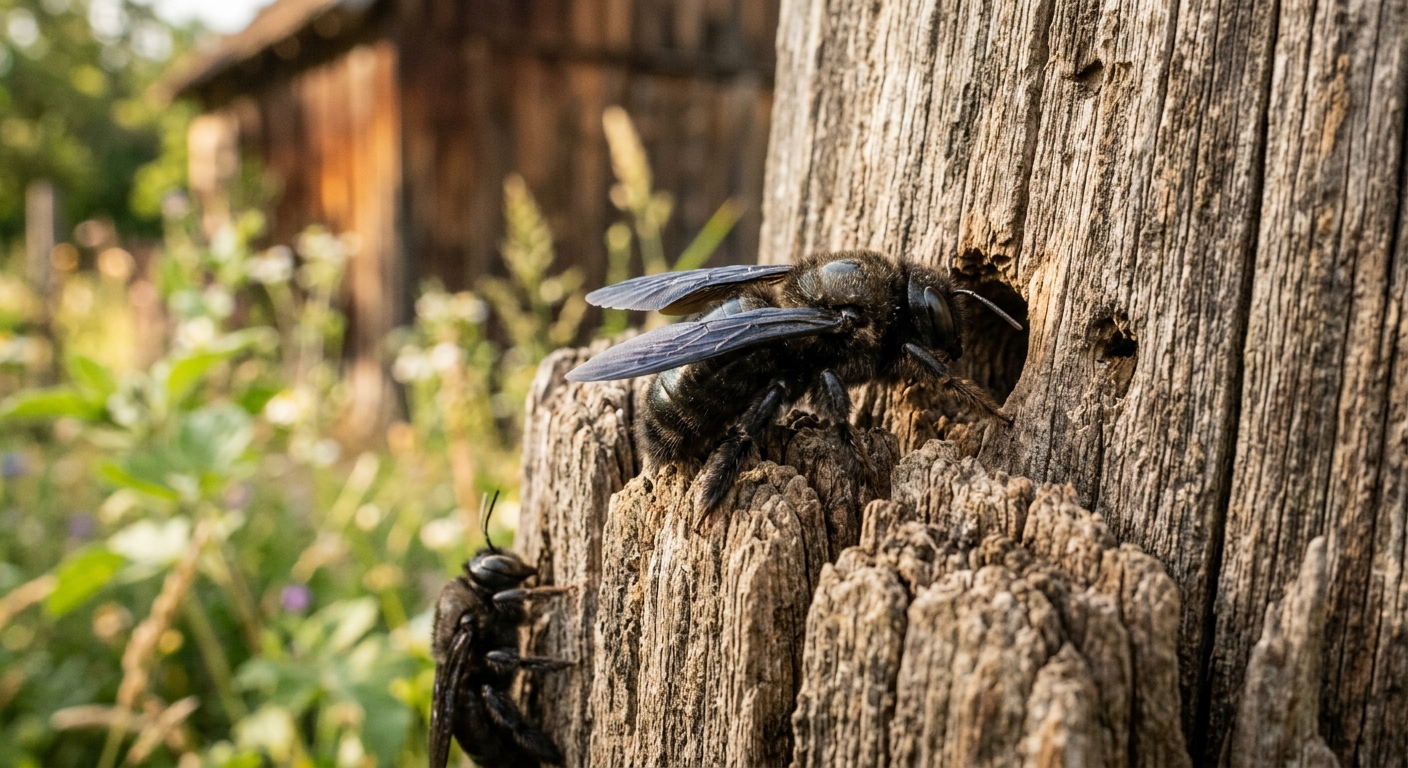
I’ve always respected bees for the role they play in keeping our gardens and food supply alive. But if you’ve ever had a swarm buzzing around your patio table or hovering near a doorway, you know how uncomfortable it can feel to share that space. I’ve dealt with this on my own back deck, and instead of reaching for harsh chemical sprays, I turned to something that felt safer for me, my family, and the bees themselves: essential oils.
Over the years, I’ve tested different oils around my home to see which ones really keep bees at a comfortable distance without harming them. What I’ve learned is that certain strong aromas, like peppermint, citronella, and clove, act as natural deterrents. The good news? Most of these oils are simple to use, pleasant for us, and gentle on the environment.
If you want a broader look at bee-repelling oils beyond just carpenter bees, I’ve put together a companion guide on essential oils for bee repellent that covers the full lineup. And before you reach for peppermint specifically, take a look at my dedicated breakdown of whether peppermint oil actually attracts or repels bees, the answer surprised me.
Why I use essential oils as bee repellents
For me, essential oils hit the sweet spot between effectiveness and peace of mind. Here’s why I stick with them over conventional sprays.
- Non-toxic and eco-friendly. I never wanted to risk hurting pollinators or spraying chemicals where my kids or pets spend time. Oils give me that safer alternative.
- Safer for bees. The goal isn’t to kill bees; it’s just to redirect them. Oils work more like a “keep out” sign than a weapon.
- Pleasant scents. While bees dislike the intensity, I actually enjoy the fresh, clean atmosphere oils create around my patio or kitchen.
- Versatile. From sprays to cotton balls, candles, or even planting certain herbs, there are plenty of easy ways to use them.
Best essential oils to repel bees, at a glance
| Essential oil | Scent profile | Best application | Notes from my testing |
|---|---|---|---|
| Citronella | Sharp, lemon-like | Sprays, candles, planting | My go-to for outdoor evenings. |
| Peppermint | Cool, menthol | Sprays, cotton balls | Works best at entry points. |
| Clove | Warm, spicy | Sprays, cotton pads | Strong scent, less is more. |
| Lavender | Floral, calming | Sachets, sprays | Relaxing for me, discouraging for bees. |
| Eucalyptus | Medicinal, earthy | Sprays, planting | Great for gardens and other bugs too. |
| Tea tree | Sharp, medicinal | Sprays, diffusers | Effective, but not safe around pets. |
The oils I’ve used to repel bees
Not every oil works equally well. Some shine outdoors, others indoors, and a few smell wonderful to me but are downright unpleasant for bees. Here are the oils that have made the biggest difference in my own trials.
Citronella oil
Citronella is probably the first oil most people think of for bug control, and for good reason. I’ve used it on summer evenings when I want to sit outside without being swarmed. Its sharp, lemony aroma makes bees (and plenty of other insects) back off quickly.
How I use it:
- Add 10 to 15 drops to a spray bottle with a cup of water and mist around doors, patio chairs, or the grill area.
- Light citronella candles on outdoor tables for a comfortable, bee-free zone.
- Plant citronella in the garden for a natural layer of defense, though the oil itself is stronger.
Peppermint oil
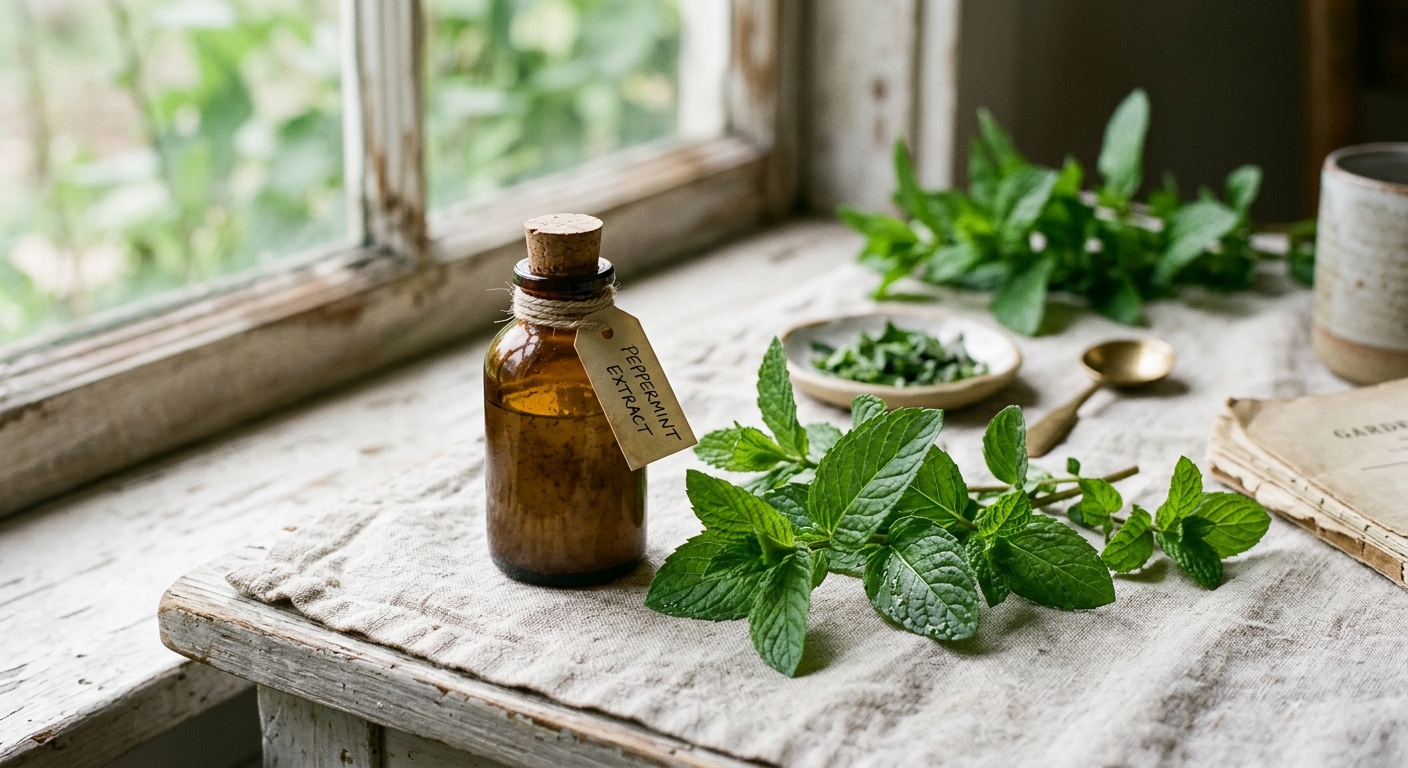
Peppermint has been one of my most reliable allies. The menthol scent is refreshing to me, but overwhelming for bees. I especially like using peppermint oil when bees keep hovering around doorways or vents.
How I use it:
- Mix 10 drops of peppermint oil in water for a spray on furniture or entryways.
- Soak cotton balls in peppermint oil and place them near windowsills or cracks.
- Refresh every couple of days, since the scent fades quickly.
A note from our editorial team: research on peppermint as a bee repellent is mixed. Some beekeepers report that mint oils actually attract bees in certain contexts, especially around feeders. I dig into the full evidence in Does Peppermint Oil Attract Bees? — worth a read before you commit to peppermint as your repellent of choice.
Clove oil
Clove has a bold, spicy aroma that I personally find comforting in small doses. Bees, on the other hand, really don’t care for it. I usually pair clove with peppermint or citronella when I need something a little stronger.
How I use it:
- Spray 10 to 12 drops per cup of water around problem areas.
- Place a clove-soaked cotton pad near seating areas or entry points.
- Use sparingly, the scent is very strong.
Lavender oil
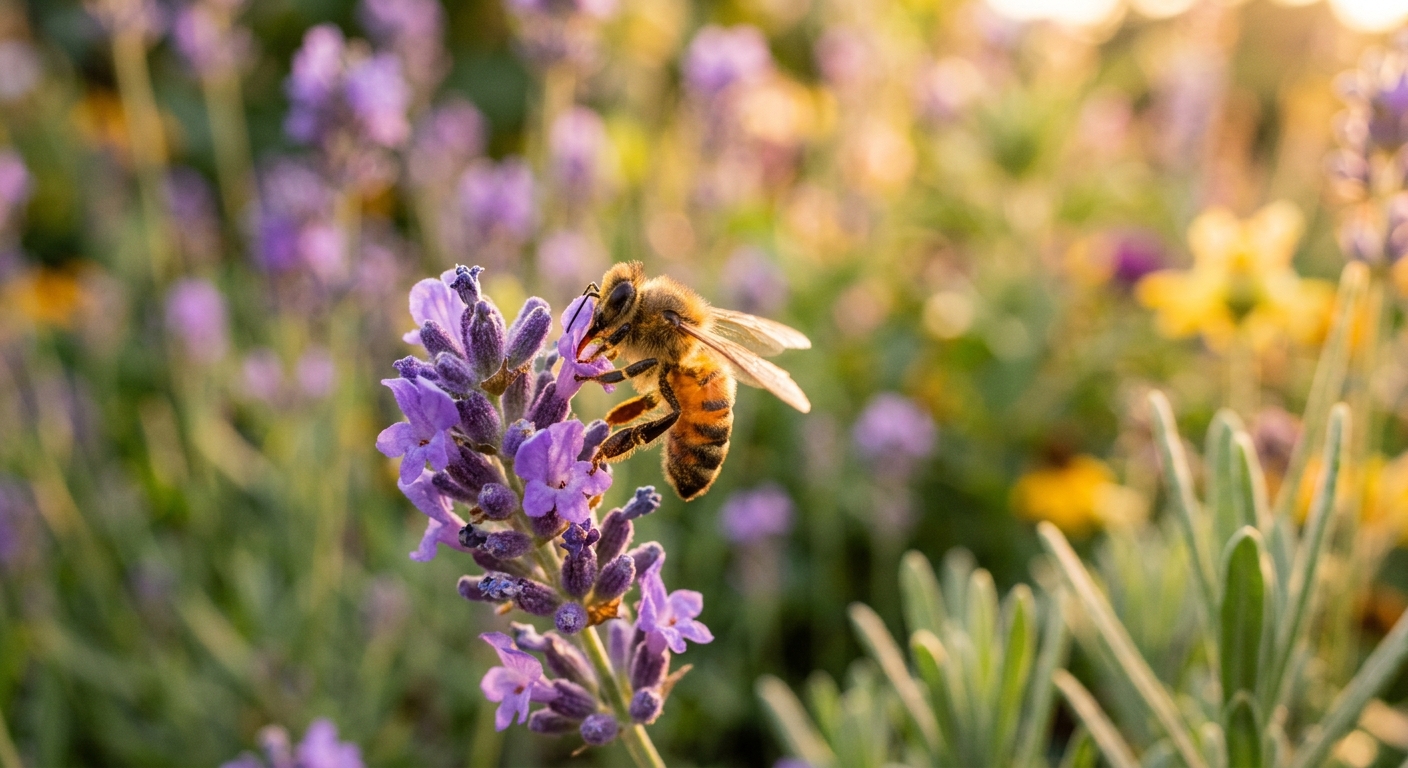
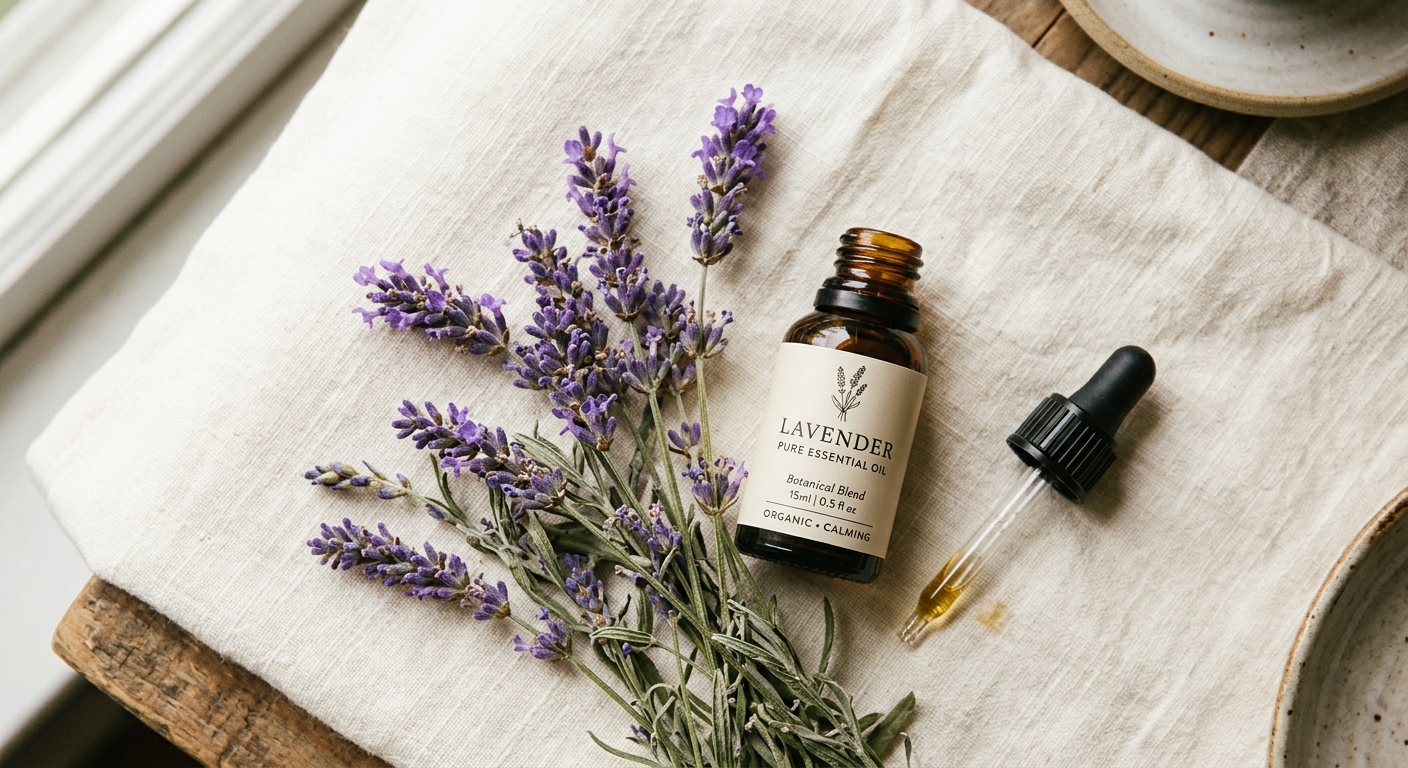
Lavender is a funny one. Bees actually love lavender flowers in the garden, but concentrated lavender oil is a different story. The aroma becomes much stronger, and I’ve found it works as a gentle deterrent when used the right way.
How I use it:
- Fill sachets with dried lavender and leave them near doors or windows.
- Make a spray with 10 to 15 drops of lavender oil in water for porch railings or benches.
- Bonus: lavender helps me relax while discouraging bees.
Eucalyptus oil
Eucalyptus has a strong, medicinal scent that bees clearly dislike. I’ve used it outdoors when I wanted a longer-lasting barrier around my deck.
How I use it:
- Mix 10 drops of eucalyptus oil in water and spray around garden furniture or entryways.
- Plant eucalyptus shrubs or trees in sunny spots for a natural deterrent.
- Works on other insects too, not just bees.
Tea tree oil
Tea tree oil has been part of my natural toolkit for years because of its fresh, medicinal smell and antibacterial qualities. It’s not my first choice for repelling bees, but it works well when I rotate scents so they don’t get used to just one.
How I use it:
- Mix 10 to 12 drops in water and spray around patios or window frames.
- Diffuse indoors to freshen the air and make the space less attractive to bees.
A word of caution: tea tree oil isn’t safe around pets, so I use it carefully and never apply it where animals can lick treated surfaces.
How I apply essential oils to repel bees
Over the years, I’ve learned that the way you use essential oils matters just as much as which oil you choose. Here are the methods that have worked best for me.
- DIY sprays. Quick and easy for large areas. My go-to recipe is 1 cup of water, 10 to 15 drops of essential oil, and 1 teaspoon of witch hazel. Shake well before each use.
- Cotton balls and pads. Simple and effective for windowsills, vents, or corners.
- Sachets. Perfect for lavender. I keep them near doors and under patio cushions.
- Candles. Citronella candles on my deck table create a cozy, bee-free zone.
- Planting. Growing citronella, peppermint, or eucalyptus redirects bees away from seating areas naturally.
👉 Essential Oil Diffuser on Amazon — Handy for tea tree or eucalyptus indoors when I don’t want to spray.
Usage tips and safety considerations
These are the practices that keep essential oils both safe and effective in my experience.
- Reapply every 2 to 3 days, or after rain.
- Always dilute. Never use oils undiluted on surfaces, skin, or wood.
- Don’t spray bees directly. The goal is to redirect, not harm.
- Test scents in small areas first to check for staining or irritation.
- Use high-quality oils, purity affects how well they actually work.
- Be cautious around pets, especially with tea tree and eucalyptus.
When essential oils aren’t enough
As much as I love oils, I’ve had times when they just weren’t enough, like when an active hive appeared under my deck. Here’s what I do when that happens.
- Call a local beekeeper for safe relocation.
- Ask pest-control companies about eco-friendly removal options.
- Never attempt DIY nest removal. It’s unsafe for both you and the bees.
Final thoughts: keeping bees at a respectful distance
For me, essential oils have been a safe, eco-friendly way to reclaim my outdoor spaces without harming pollinators. I’ve enjoyed evenings on my deck, mornings in the garden, and even working by an open window without worrying about bees hovering too close.
If you try these methods, start simple. A peppermint spray or a citronella candle is enough to test in your space. Adjust as you go, and don’t be afraid to experiment with blends until you find what’s effective for you.
And remember: if you’re dealing with more than the occasional visitor, call a local beekeeper. It’s the safest way to protect yourself and the bees.