If you’re dealing with a mild bee sting and want something natural to calm the itching, swelling, redness, or tenderness, essential oils may be worth trying.
The main goal here is comfort. A bee sting can stay sore, itchy, and puffy for a while, and a properly diluted essential oil may help soothe the skin while it settles down.
My top picks for bee sting discomfort are:
- Lavender essential oil — my first choice for calming irritated skin
- Tea tree essential oil — useful when the area feels itchy or inflamed
- Chamomile essential oil — a gentle option for sensitive skin
Before applying anything, I still start with the basics: remove the stinger if it’s there, wash the area with soap and water, and use a cold compress to help with swelling and pain. These are the standard first-aid steps for mild insect stings.
Best essential oils for bee sting discomfort
When I’m looking at essential oils for a bee sting, I’m not looking for something dramatic. I’m looking for oils that may help the skin feel calmer, less itchy, and less irritated. That’s why I keep the list short.
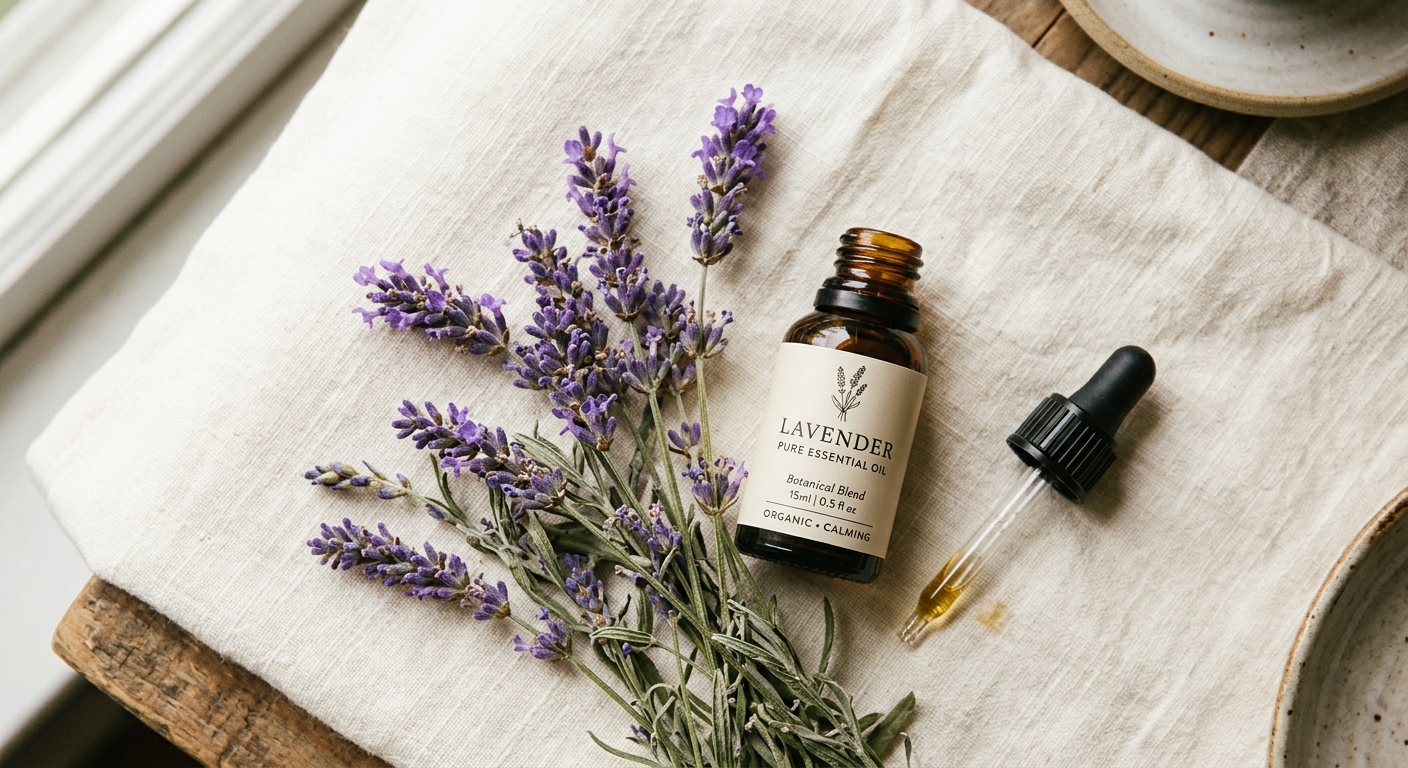
Lavender essential oil
Lavender is my first choice for mild bee sting discomfort.
It’s one of the gentler oils, and in my experience, it’s usually one of the easiest options for beginners to work with. It has that soft, calming aroma, but more importantly here, it may help irritated skin feel a little less angry.
The research on lavender isn’t bee-sting-specific, so I wouldn’t overstate it. But lavender does have some indirect research around inflammation and pain-related effects, which makes it a reasonable option for mild skin discomfort. The key word is mild.
- Best for: redness, tenderness, and general irritation
- My verdict: Mixed
- How I’d use it: 1 drop lavender essential oil in 1 teaspoon carrier oil
I gently dab the diluted blend around the sting area after washing the skin and using a cold compress. I would not rub it hard or apply it to broken skin.
Tea tree essential oil
Tea tree oil is what I’d consider when the sting feels itchy, puffy, or inflamed.
There’s some limited human evidence that tea tree oil can reduce histamine-induced skin inflammation (Koh et al., 2002, British Journal of Dermatology), which is interesting because histamine is part of the itching and swelling conversation.
But I want to be clear: that wasn’t a bee sting study. It doesn’t prove tea tree oil treats bee venom or fixes a sting. It just gives me a small reason to think tea tree may be helpful for the kind of itchy, inflamed skin feeling some people get after a mild sting.
- Best for: itchiness and puffy-feeling skin
- My verdict: Mixed
- How I’d use it: 1 drop tea tree essential oil in 1 teaspoon carrier oil
Tea tree can be a little sharper than lavender, so I’m more careful with it. If your skin is sensitive, start with lavender or chamomile first.
Chamomile essential oil
Chamomile is the gentle option.
If lavender feels like the all-purpose pick, chamomile feels like the softer backup choice. I like it for people who want something calming without the stronger “clean” feeling of tea tree or the cooling intensity of peppermint.
The direct research for chamomile oil on bee stings is limited, so I wouldn’t call it proven. But as a comfort oil, it makes sense.
- Best for: sensitive skin and mild irritation
- My verdict: Mixed to Hyped
- How I’d use it: 1 drop chamomile essential oil in 1 teaspoon carrier oil
I’d be cautious with chamomile if you have allergies to plants in the daisy family — ragweed, daisies, or chrysanthemums.
A simple bee sting blend
For most adults, I’d keep the blend very simple.
Gentle bee sting comfort blend
- 1 drop lavender essential oil
- 1 teaspoon carrier oil
Mix together and dab a small amount around the sting area.
Good carrier oils include jojoba oil, fractionated coconut oil, olive oil, sweet almond oil, or grapeseed oil.
If I wanted a slightly stronger blend for itchiness, I might use tea tree instead of lavender. But I would not combine a bunch of oils together for a bee sting. Irritated skin usually does better with less.
Other natural remedies that may help
Essential oils are only one option. Honestly, they’re not always the first thing I’d reach for. For mild bee sting discomfort, these simple remedies may help too.
Cold compress
This is the first thing I’d reach for after a sting — long before any oil. Wrap ice or a cold pack in a cloth and apply it to the area for short periods. Don’t put ice directly on the skin. It calms swelling and dulls the pain in a way no essential oil can match.
Aloe vera gel
Aloe can feel cooling and soothing on irritated skin. I’d choose plain aloe vera gel without added fragrance — fragrance is what tends to irritate already-irritated skin.
Other simple options
- Baking soda paste. Some people like mixing baking soda with a little water to make a paste. I’d apply it briefly, then rinse it off if the skin starts to feel dry or irritated. More of a traditional home remedy than a proven fix, but common and simple.
- Honey. Sometimes used on minor skin irritation, but I’d be careful with it outdoors because it can attract insects. If I used it, I’d only use a tiny amount at home and wash it off afterward.
- Oatmeal paste. For itching, finely ground oatmeal mixed with a little water can feel soothing. Especially useful when the skin feels itchy rather than painful.
What about peppermint oil?
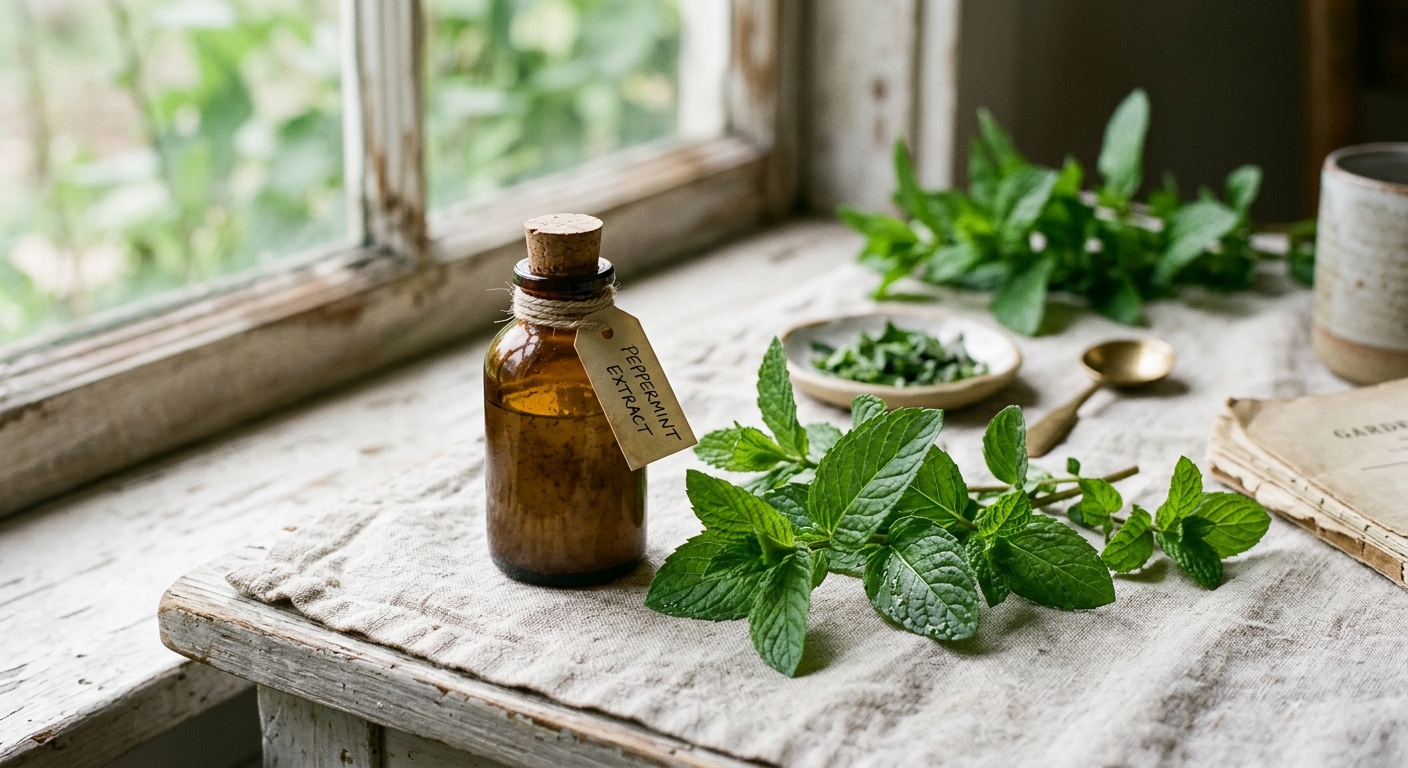
Peppermint oil gets recommended a lot because it feels cooling, and I understand why people like it — that cooling sensation can feel good when skin is hot, itchy, or irritated.
But I don’t consider peppermint one of my top picks for bee stings. It can be too intense, especially on sensitive or freshly irritated skin. Peppermint oil applied to the skin can cause rashes and irritation in some people, and it should be used carefully around children.
So for bee stings, I’d put peppermint in the “maybe, but be careful” category. If you do use it, dilute it very well and avoid using it on children, near the face, or on sensitive skin.
Worth noting: peppermint also has a complicated relationship with live bees. It often attracts them rather than repelling them, which is the opposite of what most blogs claim. I dig into the research on that in Does Peppermint Oil Attract Bees?.
What the research says
Here’s the evidence breakdown as I see it.
| Claim | Evidence | My verdict |
|---|---|---|
| Lavender may calm mild irritation | Indirect anti-inflammatory and pain-related evidence | Mixed |
| Tea tree may reduce histamine-related swelling | Limited human skin model evidence (Koh et al., 2002) | Mixed |
| Chamomile may feel gentle and soothing | Traditional use, limited direct evidence | Mixed to Hyped |
| Peppermint may cool the skin | Cooling sensation, not bee-sting-specific | Hyped |
| Essential oils neutralize venom | No good direct evidence | Hyped |
| Essential oils prevent allergic reactions | Not supported | Hyped |
| Essential oils prevent infection after a sting | Not directly supported | Hyped |
My conclusion is simple: essential oils may help with comfort, but I wouldn’t treat them like proven bee sting medicine.
What real users say
Real users usually describe essential oils for bee stings in terms of how they feel.
- Lavender feels calming.
- Tea tree feels cleansing.
- Chamomile feels gentle.
- Peppermint feels cooling.
That kind of feedback is useful, but it has limits. A soothing feeling does not prove an oil is reducing venom activity, preventing infection, or stopping an allergic reaction. It just tells us how the remedy feels on the skin.
I think that matters, especially when the goal is comfort. I just wouldn’t confuse comfort with clinical proof.
Safety notes
For mild bee stings, I use essential oils carefully. Here are the rules I follow.
- Always dilute essential oils before applying.
- Do not apply them to broken skin.
- Do not swallow essential oils.
- Avoid the eyes, mouth, and mucous membranes.
- Stop using the oil if burning, rash, or irritation develops.
- Be extra cautious with children, pregnancy, pets, asthma, and sensitive skin.
Essential oils can cause rashes when used on the skin, and some can be poisonous if swallowed or absorbed through the skin in concentrated amounts.
Essential oils are not for serious sting reactions. Get medical help right away if there is trouble breathing, swelling of the lips, face, eyelids, or throat, dizziness, fainting, hives, vomiting, diarrhea, or a weak rapid pulse. These can be signs of a serious allergic reaction.
That’s not meant to scare anyone. It’s just the line I wouldn’t cross with home remedies.
FAQs
What is the best essential oil for a bee sting? Lavender is my top pick for mild bee sting discomfort. It’s gentle, beginner-friendly, and may help calm irritated-feeling skin. I still wouldn’t call it a proven bee sting treatment.
Can I put essential oil directly on a bee sting? I wouldn’t. Dilute it first. A good starting point for adults is 1 drop essential oil in 1 teaspoon carrier oil.
Can tea tree oil help a bee sting? Tea tree oil may help some people with itchy or inflamed-feeling skin. There’s limited human evidence for tea tree oil reducing histamine-induced skin inflammation (Koh et al., 2002), but that isn’t the same as a bee sting trial.
Can peppermint oil help bee sting pain? Peppermint oil may feel cooling, but I would not call it a proven bee sting remedy. It can also irritate the skin, so I’d use it cautiously.
What should I put on a bee sting naturally? For natural comfort, I’d use a cold compress first. After that, you could try diluted lavender oil, diluted chamomile oil, aloe vera gel, oatmeal paste, or a baking soda paste.
How long does bee sting swelling last? Mild swelling and tenderness can last for a short time, but some local reactions may take longer to settle. If swelling spreads quickly, gets severe, or comes with symptoms like trouble breathing, dizziness, hives, or throat swelling, get medical help right away.
Are essential oils safe for allergic reactions? No. Essential oils are not a treatment for allergic reactions or anaphylaxis. They may help mild skin discomfort, but they should not be used for serious symptoms.
OilSensei Hype Index verdict
Mixed, leaning Hyped.
Here’s my honest take. For a mild bee sting, essential oils like lavender, tea tree, and chamomile may help soothe discomfort. If the sting is itchy, tender, red, or puffy, a diluted oil may make the area feel calmer while it heals.
But the bigger claims are where I draw the line. Essential oils are not proven to neutralize bee venom, prevent allergic reactions, replace epinephrine, or prevent infection after a sting. So I keep them in the home comfort category.
Use first aid first. Keep the oil diluted. Choose gentle oils. And if the reaction feels bigger than a normal sting, don’t try to solve it with a bottle of essential oil.